Weather, risk and resilience: safety in the modern fishing industry
October 2026
Fishing has long carried a reputation as one of the most dangerous ways to earn a living. The sea is demanding, the work is physical and conditions can change quickly. Those risks are real and no responsible operator treats them lightly.
What is less well understood is how much the industry has changed. Modern fishing operates within a detailed framework of regulation, extensive training and technology, and safety is built into how vessels are designed, crewed and managed. At North Atlantic Fishing Company (NAFCO), protecting our people is the starting point for every decision we make.
Fishing is not unregulated
One of the most persistent misconceptions is that fishing is unregulated. In reality, it is extremely closely monitored and granular data is increasingly being used to ensure that fisheries are operating responsibly and safely.
Vessels must be built, equipped and maintained to recognised standards, and they are subject to regular survey, inspection and certification by maritime authorities. Crews must also hold the required safety training and certification. This safety assurance system compliments operational fisheries monitoring, control and surveillance, from quota management to catch reporting, which means vessel activity is documented and scrutinised to a degree that surprises many people.
Training that prepares crews for the unexpected
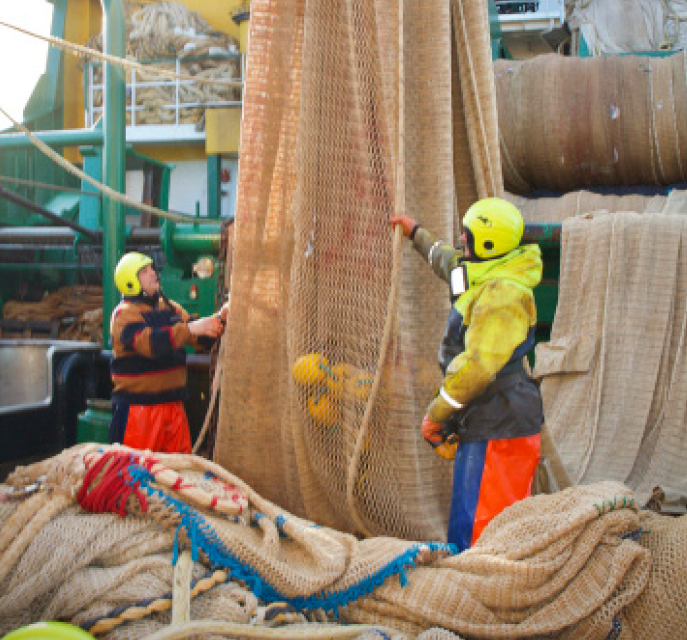
Safety at sea depends on people who know exactly what to do if something goes awry. Mandatory training for fishermen covers essentials such as sea survival, firefighting, first aid and personal safety, and it must be kept up to date.
Regular drills matter because real emergencies rarely allow time to think. When procedures have been rehearsed, crews can act quickly, calmly and with precision. Experience still counts for a great deal, but it works best alongside formal training and clear procedures that are based on rigorous risk assessment and regularly reviewed safe systems of work.
Equipment and vessel design
Modern vessels are designed with safety in mind. Stability, watertight integrity, fire detection and suppression, and reliable communications all contribute to a safer working environment. The latest personal protective equipment, lifesaving appliances and emergency beacons are standard, but they are only effective if they are properly maintained and regularly tested – something we are firmly committed to.
Our factory freezer trawlers also bring a practical advantage. Processing at sea in a controlled environment with modern machinery and established working procedures supports both product quality and the safety of those carrying out the work.
Digital weather routing and risk management
Weather is the single biggest variable at sea and digital tools now give crews a far clearer picture of what lies ahead.
Weather routing draws on real-time data on sea state, wave height, wind speed and developing storm systems. This allows operators to plan routes that avoid the worst conditions and to keep adjusting that plan throughout a trip that can last several weeks. Dangerous weather windows can be identified and avoided before they ever become a crisis, rather than being managed once the vessel is already caught in them.
The principle extends well beyond weather. Good risk management means identifying hazards before departure, reviewing them during the trip and giving skippers the information and authority to change plans when conditions require it. Shore-based support and onboard decision-making work together here, and neither replaces the other.
Digital tools do not remove the need for seamanship, however. A skipper who combines a lifetime of experience with accurate, up-to-date data is better placed to make the right call than either could be in isolation.
Resilience is a culture, not a checklist
Resilience in fishing is not only about equipment and procedures. It is about culture. It means a crew where anyone can raise a concern, where near misses are reported and learned from and where stopping a task because it feels unsafe is respected rather than questioned. This is why we regularly review our safety management system to ensure it is not missing new or developing challenges. In addition, we dedicate a day every year to safety matters to make sure the culture of empowered prevention is promoted and supported.
Safety at sea also means looking after wellbeing. Long periods at sea are demanding, so ensuring that individuals get sufficient rest, can communicate with home and have access to health support all contribute to a crew that is alert and able to work safely.
A safer industry, and a continuing commitment
Fishing will always involve working with the sea, and the sea will always demand respect. But the picture of an unregulated and unsafe industry does not reflect the modern reality of well-run operations, where regulation, training, equipment and data work together to manage risk.
At NAFCO, we will keep investing in our people, our vessels and the tools that help us make better decisions. Our commitment is simple: every crew member should return home safely, so that fishing can continue to provide food, employment and opportunity for generations to come.